- ▪ Tuscany
- ▪ Abruzzo
- ▪ Aosta Valley
- ▪ Apulia
- ▪ Basilicata
- ▪ Calabria
- ▪ Campania
- ▪ Emilia-Romagna
- ▪ Friuli Venezia Giulia
- ▪ Lazio
- ▪ Liguria
- ▪ Lombardy
- ▪ Marche
- ▪ Molise
- ▪ Piedmont
- ▪ Sardinia
- ▪ Sicily
- ▪ Trentino South Tyrol
- ▪ Umbria
- ▪ Veneto
The Best Apps for Saving Money in Italy
Content index
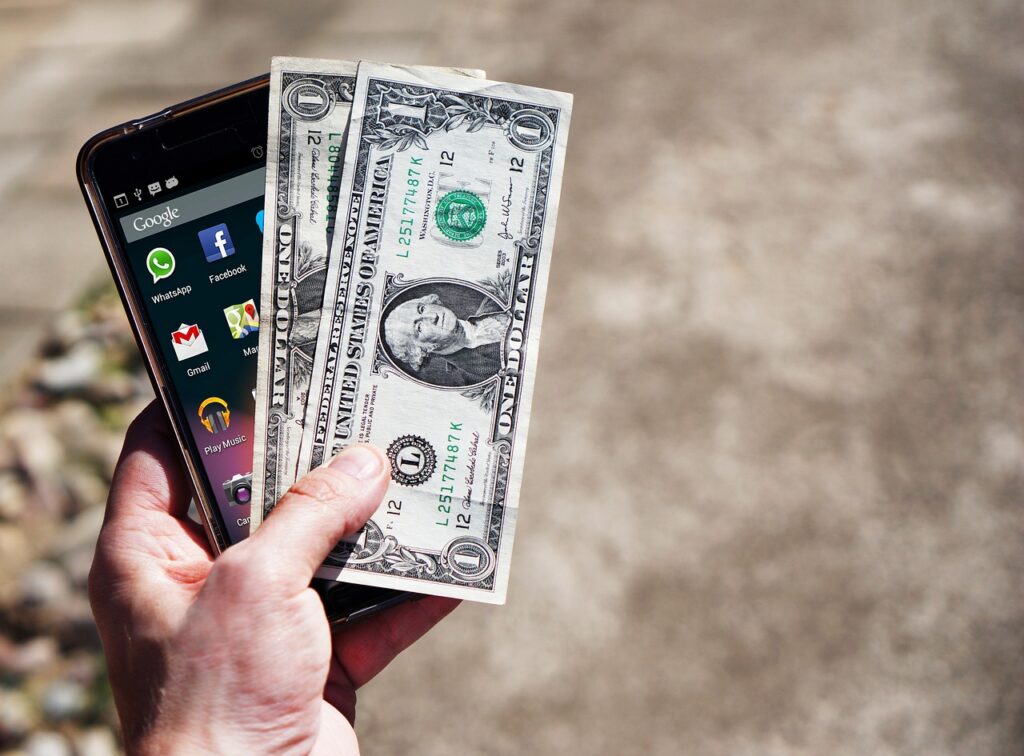
From cheaper restaurants to free accommodation and smarter money transfers, the apps that actually work.
Italy is not a cheap destination. But it is a destination where smart choices compound fast. The difference between a trip that drains your budget and one that stretches it is rarely about sacrifice. It is about knowing which tools to use before you land.
These are the apps worth downloading. Not a generic list: each one solves a specific and recurring problem for travelers in Italy.
Quick tip: Download and set up these apps at home, not at the airport. Several require account verification that takes 24-48 hours.
◆ Accommodation
Save Money on Accommodation in Italy
Trusted Housesitters
What it is
Trusted Housesitters connects travelers with homeowners who need someone to look after their home and pets while they are away. In exchange, you get free accommodation. Italy has a strong and growing number of listings, particularly in Tuscany, Umbria, and the Ligurian coast.
How it works
You pay a flat annual membership fee (roughly 129 USD/year for a standard sitter membership as of 2024). Once a member, all sits are free. A single two-week sit in a Tuscan farmhouse more than covers the cost of membership.
Who it suits
Travelers with flexibility in their dates, people who genuinely like animals, and anyone planning multiple trips. It is not suitable for rigid itineraries or short city breaks.
Beyond Italy
Trusted Housesitters operates globally, so the membership compounds in value across multiple countries and trips.
Honest note: Competition for popular sits (especially in Tuscany in summer) is real. Build a strong profile with reviews from earlier sits before applying for high-demand listings.
Workaway
What it is
Workaway connects travelers with hosts who offer free accommodation and meals in exchange for a few hours of work per day, typically 4-5 hours. Hosts range from agriturismos and organic farms in Tuscany, Umbria, and Sicily to guesthouses, language schools, and family homes across the country. Annual membership costs roughly 49 USD for an individual.
Why it works in Italy
Italy has one of the highest densities of Workaway hosts in Europe, with a particularly strong presence in rural areas where accommodation costs would otherwise be high. A one-week stay on a Sicilian farm or a Tuscan olive grove covers the annual fee entirely and gives you an experience no hotel can offer.
Who it suits
Travelers with schedule flexibility and an interest in cultural immersion. The work is usually light: helping with harvests, teaching English conversation, assisting with social media, or looking after children. Families, solo travelers, and couples all use it successfully.
How to get started
Create a profile at workaway.info, browse hosts by region, and message several before committing. Response rates vary, so start the process at least four to six weeks before your trip.
Also worth checking: Worldpackers is a direct competitor with a slightly stronger hostel-focused inventory in Italy. Annual membership is also around 49 USD. Worth browsing both to compare available hosts in your target region.
Hostelworld
What it is
Hostelworld is the leading booking platform for hostels globally, with extensive coverage across Italy. Beyond dormitory beds, most Italian hostels now offer private en-suite rooms at prices well below comparable hotels, particularly in Rome, Florence, Venice, and Naples.
Why it is underused
Many travelers assume hostels mean dormitories. In reality, a private double room in a well-rated Italian hostel frequently costs 40-70 euros per night in cities where equivalent hotels charge 120-180. The accommodation is comparable; the savings are not.
What to look for
Filter by rating above 8.0 and look for hostels with kitchen access. Self-catering one meal a day in a hostel kitchen versus eating out adds up to significant savings over a multi-week trip. Also check cancellation policy: many Italian hostels offer free cancellation up to 24-48 hours before arrival.
Practical tip: Book 3-4 weeks ahead for summer travel in Rome, Florence, and Venice. The best-rated properties sell out fast and prices rise sharply as the arrival date approaches.
◆ Food
Save Money on Food in Italy
TheFork
What it is
TheFork is the dominant restaurant booking platform in Italy and most of Europe. Beyond reservations, it offers YieldBooster discounts of up to 50% at participating restaurants during off-peak hours. The app is available in English, Italian, French, Spanish, and Portuguese.
How to use it well
Filter by “Yums” (loyalty points) and discount percentage. Tuesday and Wednesday lunches consistently offer the steepest discounts. Use it for one sit-down meal per day and the savings add up quickly across a two-week trip.
Alternatives
OpenTable and Quandoo cover some restaurants not listed on TheFork, particularly in smaller cities and towns. Worth checking both if TheFork comes up short in your destination.
Note: Discounts apply to food only, not drinks, unless the menu specifies otherwise. Check the offer details before booking.
Too Good To Go
What it is
Too Good To Go is a food waste app that connects you with restaurants, bakeries, and grocery stores that have surplus food at the end of the day. You buy a “Magic Bag” at a steep discount (typically 2-5 euros for food worth 3-4x that) without knowing exactly what is inside. Pick it up in the closing hour of the business.
Why it works in Italy
Italy has an exceptionally dense network of participating bakeries, pasticcerias, and delis. In any major city, you will find dozens of options within walking distance. It is genuinely one of the best ways to eat well in Italy for almost nothing.
Availability
Works in Rome, Milan, Florence, Venice, Naples, Bologna, Turin, and most mid-sized cities. Available on iOS and Android.
Real example: A Magic Bag from a Florentine pasticceria at closing time: four cornetti, two slices of focaccia, and a brioche for 3.50 euros.
◆ Transportation
Save Money on Getting Around Italy
FlixBus
What it is
FlixBus operates an extensive intercity bus network across Italy and into the rest of Europe. Tickets are consistently cheaper than Trenitalia on the same routes, sometimes by a factor of three or four.
The trade-off
Journey times are longer than high-speed rail. Rome to Florence by Frecciarossa is 1h30. By FlixBus it is roughly 3h30. If time is not a constraint, the saving is substantial.
Best for
Long overnight routes, cross-border travel into France, Austria, or Slovenia, and any route where the train is fully booked or prohibitively expensive.
BlaBlaCar
What it is
BlaBlaCar is a peer-to-peer ridesharing platform where drivers with spare seats post their routes and passengers book a spot. Costs are shared, not commercial, so prices are low and the experience is often more personal than any bus or train.
How it works in Italy
Coverage is best in the north (Milan, Turin, Genoa, Bologna) and between major cities on popular routes. Rural connections are thinner. The app is fully available in English.
Practical note
Book in advance on busy weekends and national holidays. Drivers often cancel last-minute on empty bookings, so confirm with your driver the day before.
◆ Finances
Manage Your Money Smarter in Italy
Wise
What it is
Wise (formerly TransferWise) is a digital money transfer and multi-currency account. It uses the real mid-market exchange rate with a small transparent fee, consistently beating the rates offered by banks and airport exchange booths.
How to use it in Italy
Load euros onto your Wise card before or during your trip. Use it for all card payments. The savings on a two-week trip compared to a standard bank card with foreign transaction fees are meaningful, often 3-5% of everything you spend.
Extra feature
The Wise card works at ATMs in Italy. Withdrawals up to a monthly free limit apply the same real exchange rate. Above that limit a small percentage fee applies, still cheaper than most bank ATM fees abroad.
Nomad
What it is
Nomad is a digital financial platform similar in concept to Wise but built specifically for users managing money across multiple non-US countries. It is particularly useful for travelers based in Brazil, Portugal, or other markets outside the US/UK where Wise’s rates are less competitive.
When to use it instead of Wise
If your home currency is BRL, ARS, or another emerging market currency, compare Nomad’s rates and fees against Wise for your specific corridor before committing to one. On some routes Nomad wins decisively.
◆ Beyond the Apps
Money-Saving Habits No App Can Replace
Apps reduce friction and surface better prices. But the biggest savings in Italy come from behavioral choices that cost nothing to implement.
Travel in the shoulder season
April, May, September, and October offer shorter queues, better weather than summer, and hotel rates 20-40% lower than peak season. November to March (excluding Christmas and Carnival) is cheapest of all, with some museums and restaurants running local-only pricing.
Eat where Italians eat
The single most reliable heuristic for cheap, good food in Italy: walk one or two streets off the main tourist artery and look for a place with a handwritten menu and no pictures of pasta on the door. Sit-down meals at local trattorias and osterias are almost always cheaper and better than tourist-facing restaurants on the main piazzas.
Stand at the bar for coffee
Espresso at the bar counter (“al banco”) costs 1.10-1.30 euros in most of Italy. The same coffee at a table, particularly in a piazza or near a major landmark, can cost 3-5 euros. No quality difference. Significant price difference across 14 days of morning coffees.
Use the mercato
Every Italian city and most towns have a weekly or daily outdoor market selling fresh produce, cheese, cured meats, and bread. A picnic assembled from the mercato in a public garden costs a fraction of any restaurant meal and is often the best food you will eat all day.
Pre-book major attractions online
The Colosseum, Uffizi, Vatican Museums, Last Supper, and Borghese Gallery all require advance booking and often sell out weeks ahead in summer. Walking up to these without a ticket either means hours in a queue or a tout charging double. Online booking is the same price and takes 10 minutes.
A final note from ITALIA et al
Italy rewards travelers who do their homework. The country has one of the highest densities of world-class art, food, and landscape per square kilometer on the planet. None of that requires spending a fortune. It requires knowing where to look and having the right tools ready before you arrive. Plan your trip to Italy with us.













You need to be part of our community to leave a comment or reply members.
Log in or purchase one of our incredible itineraries!