- ▪ Lazio
- ▪ Emilia-Romagna
- ▪ Lombardy
- ▪ Tuscany
- ▪ Veneto
The 6 Most Visited Cities in Italy: What to See, Do and Eat in Each One
Content index
Rome, Venice, Milan, Florence, Bologna and Verona — what sets each city apart, and what is actually worth your time.
Italy receives around 65 million international visitors a year. Most of them concentrate in a handful of cities that between them hold a disproportionate share of the world’s art, architecture, and food. This guide covers the six most visited, with enough specificity to help you decide where to spend your time and what not to miss once you get there.
Visitor numbers: The figures below are estimates based on pre-pandemic and recent data. Exact counts vary by source and methodology, but the relative ranking is consistent.
◆ Lazio · Capital
1. Rome — 25 to 30 Million Visitors Per Year
No other city on earth carries the same density of consequential history. The Roman Empire, the Catholic Church, and the Italian Republic all used Rome as their stage. Walking through the city centre is less a tourist experience than a confrontation with the weight of accumulated time.
Three sites drive the majority of visits: the Colosseum, the Vatican, and the Pantheon. Each is extraordinary. None should be approached without advance booking, especially between April and October.
The Colosseum
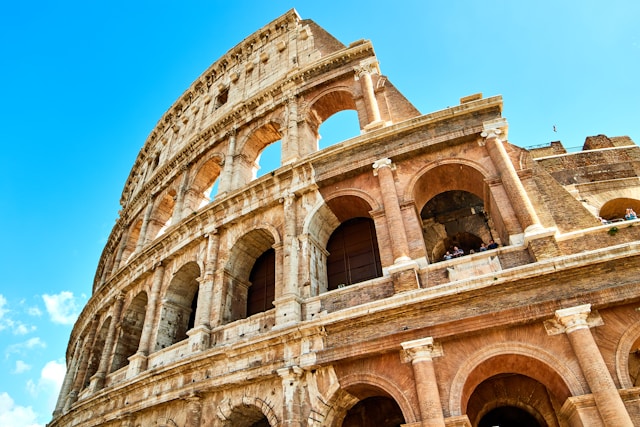
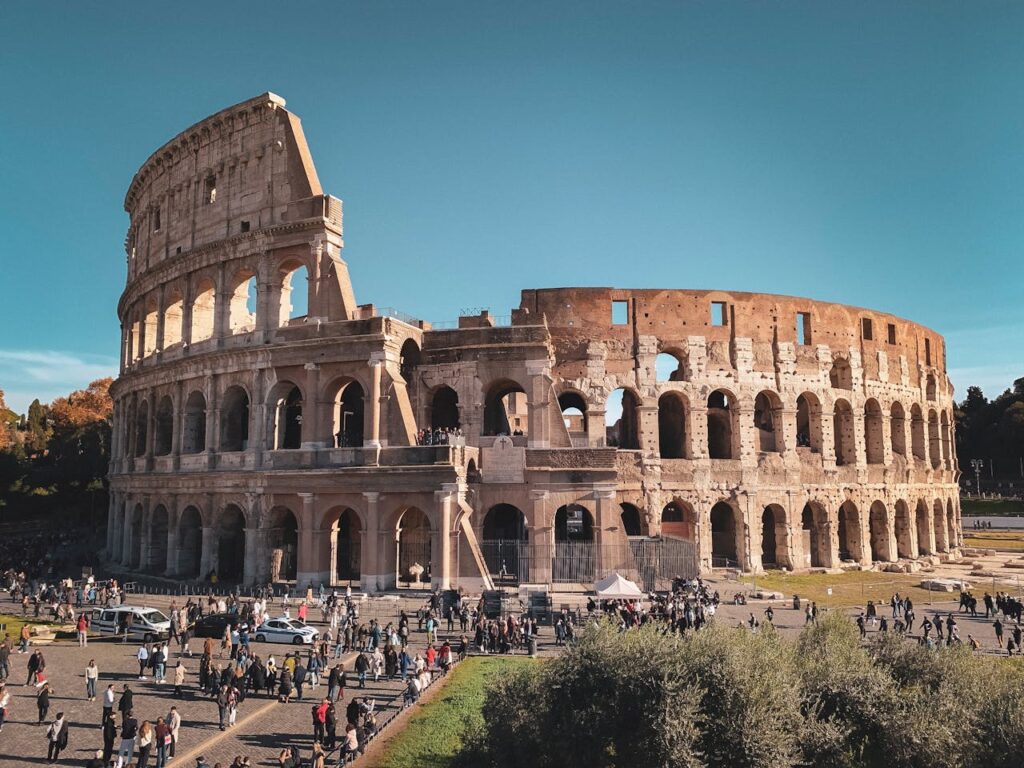
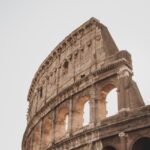
The Flavian Amphitheatre was completed in 80 AD and held between 50,000 and 80,000 spectators. It is the largest amphitheatre ever built and one of the most recognisable structures in the world. The combo ticket includes the Roman Forum and Palatine Hill. Book at coopculture.it, ideally weeks in advance in summer.
Roman Forum and Palatine Hill
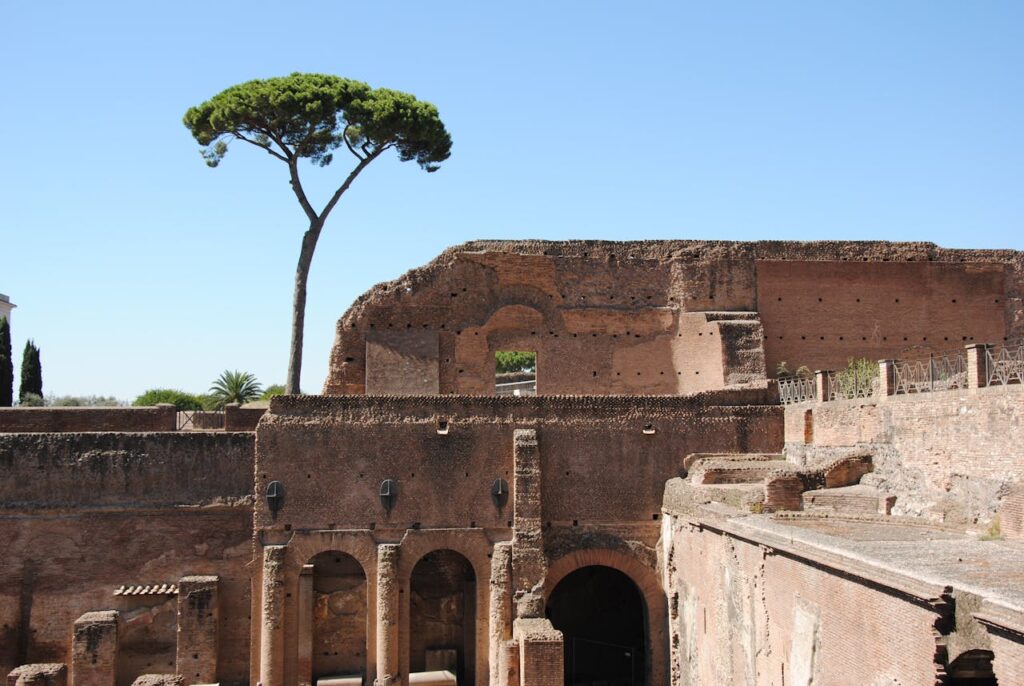
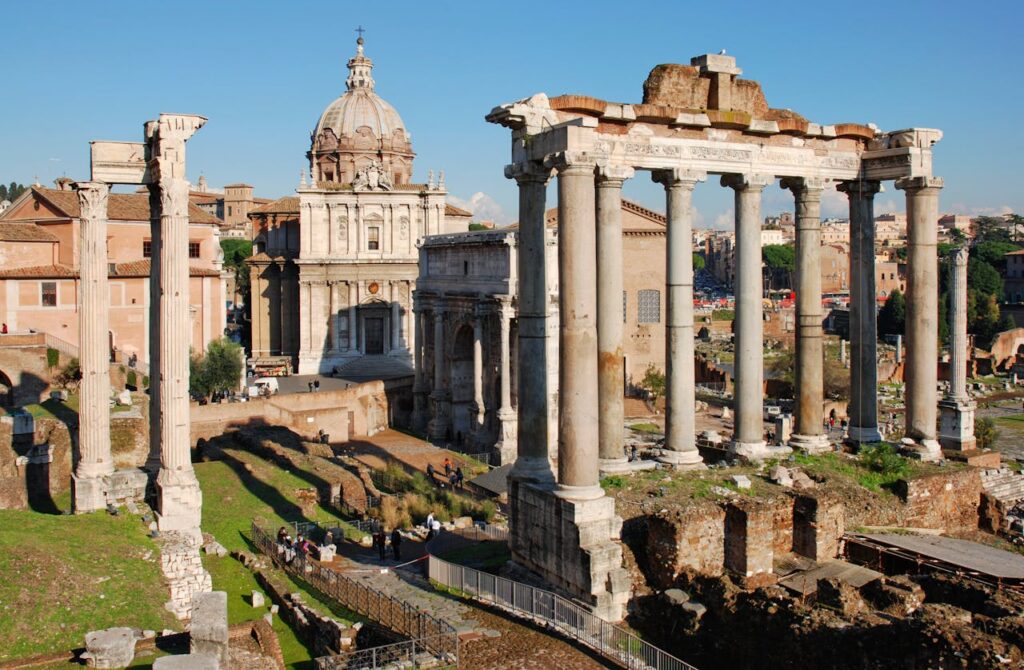
Included in the Colosseum combo, these sites complete the picture of ancient Rome. The Forum was the civic centre of the Republic and Empire. The Palatine is where the emperors lived. Give them at least two hours.
The Vatican
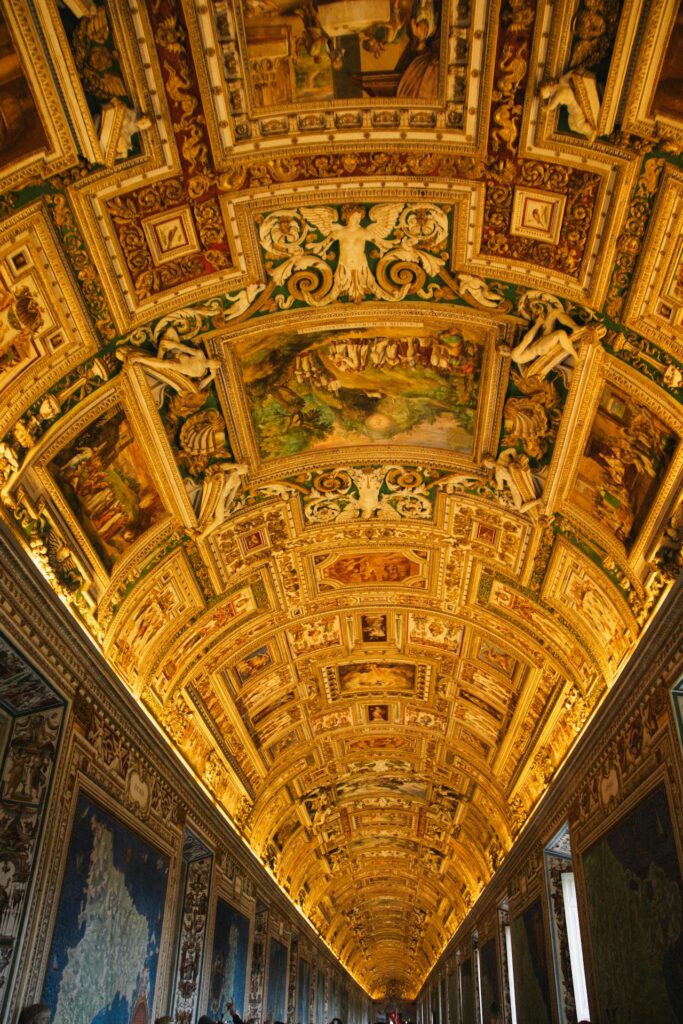
Vatican City is an independent state within Rome, home to St. Peter’s Basilica, the Sistine Chapel, and the Vatican Museums. The Museums hold one of the world’s largest art collections. Michelangelo’s ceiling in the Sistine Chapel is the primary draw, but the Gallery of Maps and the Raphael Rooms are equally extraordinary and far less crowded. Book at museivaticani.va.
The Pantheon
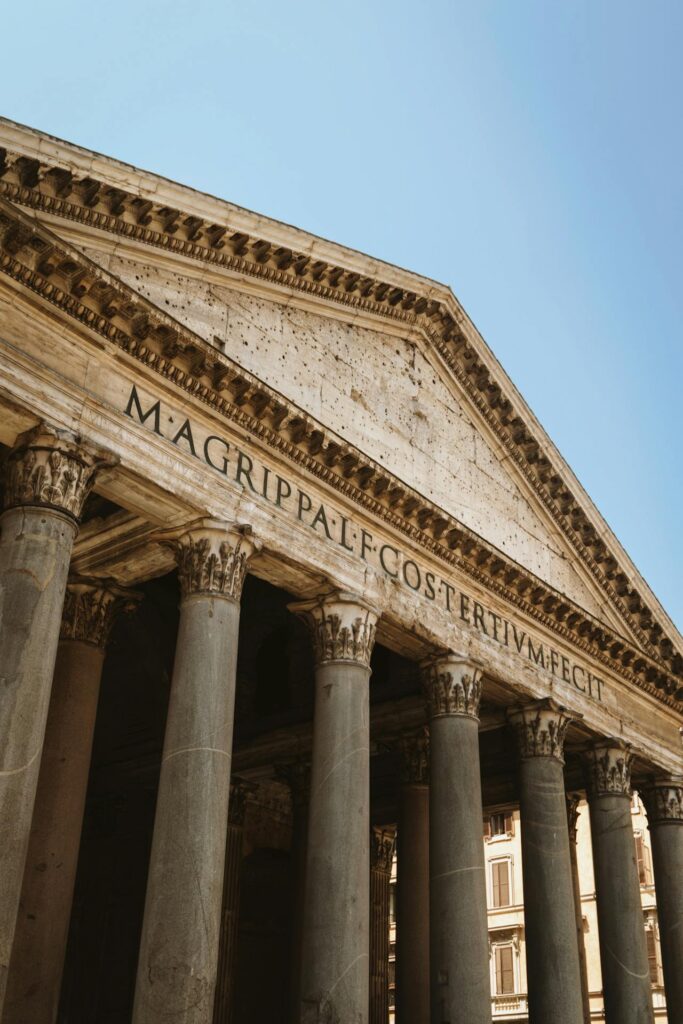
Built by Emperor Hadrian between 118 and 128 AD, the Pantheon has the largest unreinforced concrete dome in the world — 43.3 metres in diameter, identical to its height. The oculus at the top is open to the sky. It has been in continuous use for nearly 2,000 years. Entry now requires a timed ticket.
Food in Rome
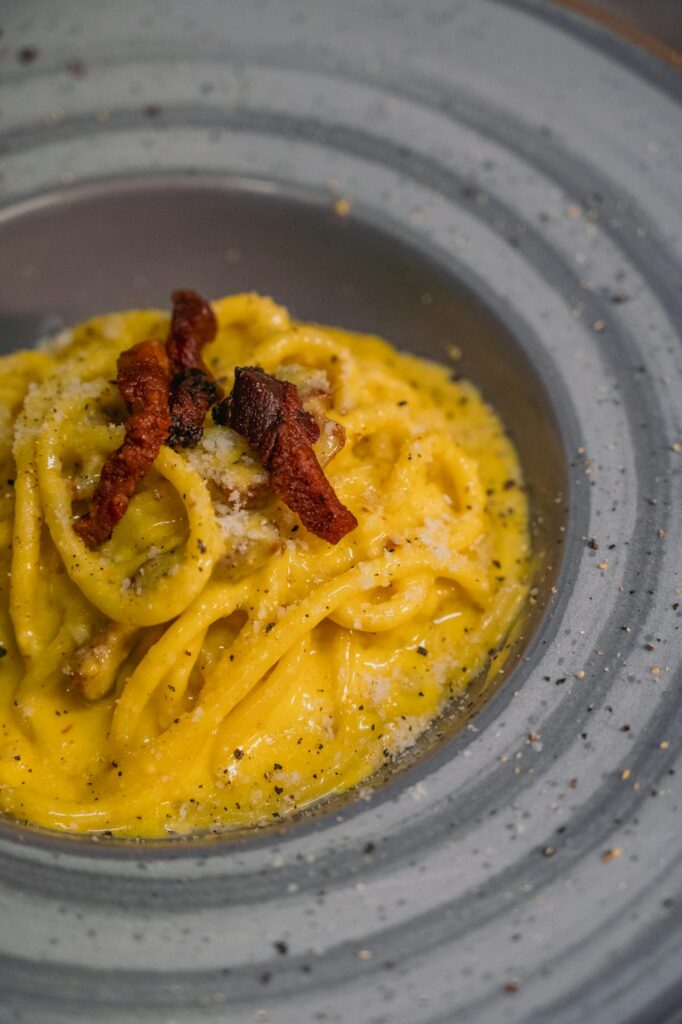
Cacio e pepe, carbonara, amatriciana, cacio e pepe. These four pasta dishes are the foundation of Roman cuisine and the reason to eat in trattorias rather than tourist-facing restaurants on the main piazzas. For coffee, the bar counter (al banco) costs significantly less than a table. For gelato, seek out shops displaying the Associazione Italiana Gelatieri mark.
Practical note: Dress code for the Vatican is strict: covered shoulders and knees. Shorts and sleeveless tops will get you turned away at the door. Bring a scarf or overshirt.
◆ Veneto · Northeast Italy
2. Venice — Around 20 Million Visitors Per Year
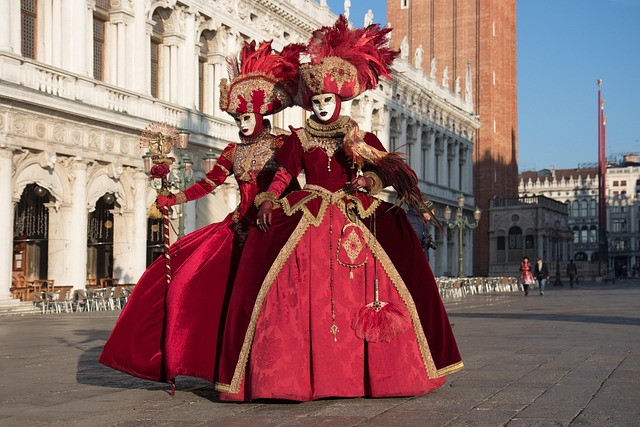
Venice is built on 118 small islands separated by canals and connected by around 400 bridges. It has no roads, no cars, and no equivalent anywhere else on earth. The city was the dominant maritime power in the Mediterranean for several centuries, and its wealth built one of the most concentrated collections of art and architecture in the world.
The visitor numbers are significant enough that the city has introduced a day-tripper access fee during peak periods. If you are going, stay overnight. When the day crowds leave, Venice becomes a different city.
Piazza San Marco
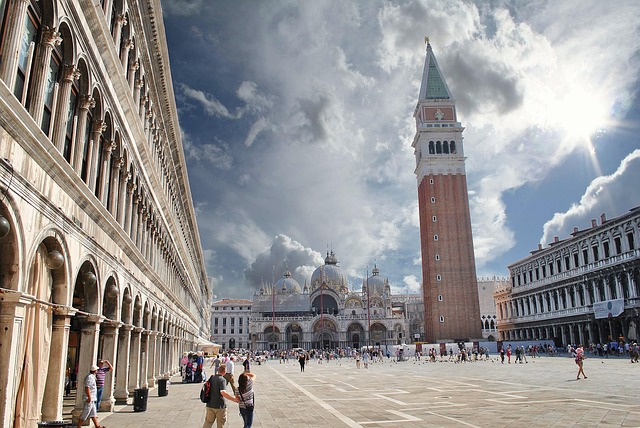
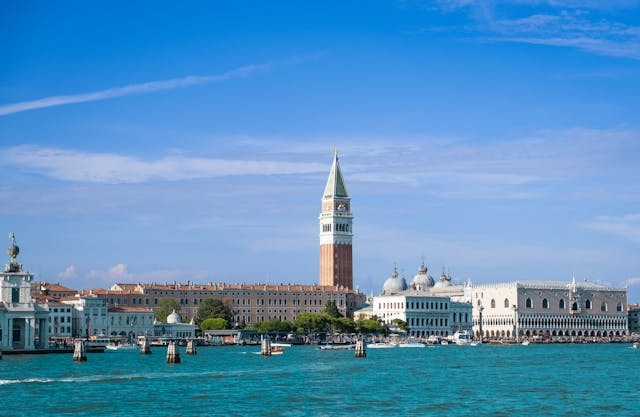
The only space in Venice officially called a piazza. Dominated by the Basilica di San Marco (begun in the 9th century, rebuilt multiple times), the Campanile, and the Palazzo Ducale. The Basilica interior — particularly the gold mosaic ceiling — is free to enter but requires a timed booking. The Palazzo Ducale is one of the most important Gothic buildings in existence. Book both in advance.
The Grand Canal
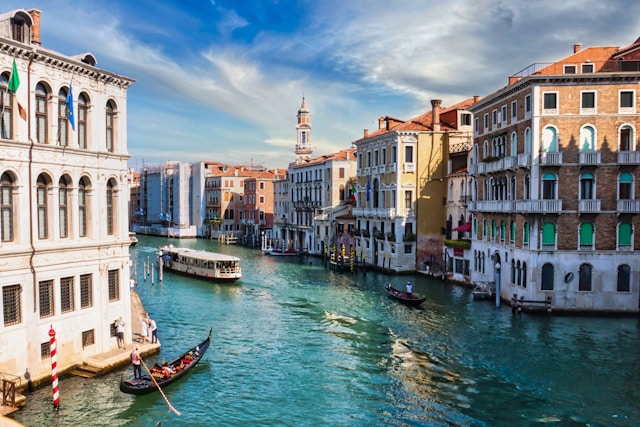
The main waterway through Venice, lined with palaces spanning seven centuries of architecture. Vaporetto line 1 runs the full length from Ferrovia to Piazza San Marco for the cost of a single ticket or day pass — the cheapest and most comprehensive view of the city. A gondola ride costs around 80-100 euros for 30 minutes (the official rate) and covers far less ground.
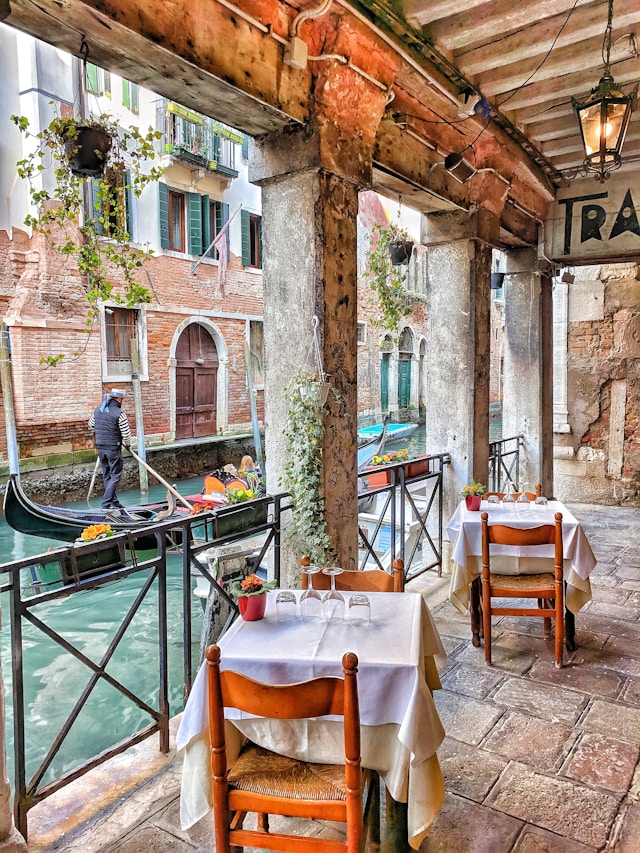
Rialto Market
One of Venice’s oldest markets, operating since 1097. The Pescheria (fish market) runs Tuesday to Saturday mornings; the Erbaria (produce) daily. The surrounding bacari serve cicchetti — small Venetian snacks — from around 10am. Baccalà mantecato (creamed salt cod on bread), sarde in saor (marinated sardines), and small glasses of local wine are the standard order. Budget around 15 euros for a proper round.
Gallerie dell’Accademia
The primary museum for Venetian painting, covering the 14th through 18th centuries. The collection includes major works by Titian, Tintoretto, Veronese, Bellini, and Giorgione. Book online. Closed Mondays.
The islands
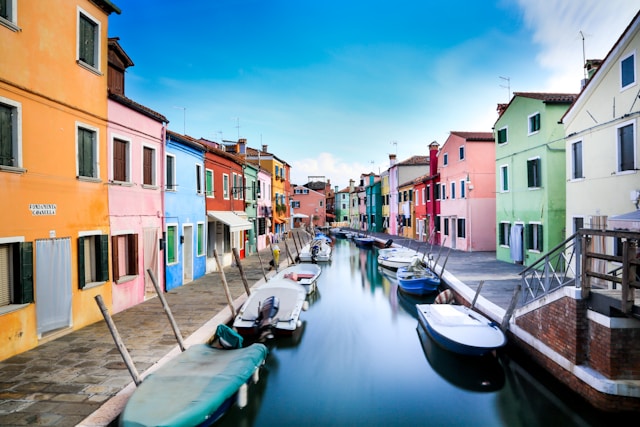
Murano (glassblowing, 10 minutes by vaporetto) and Burano (coloured houses, lace-making, 40 minutes) are both worth half a day each. Torcello, further out, has a Byzantine basilica older than Venice itself.
Key fact: Venice is sinking at approximately 1-2mm per year while sea levels rise. The MOSE flood barrier system has been operational since 2020 and has significantly reduced the frequency of acqua alta flooding in the city centre.
◆ Lombardy · North Italy
3. Milan — 10 to 12 Million Visitors Per Year
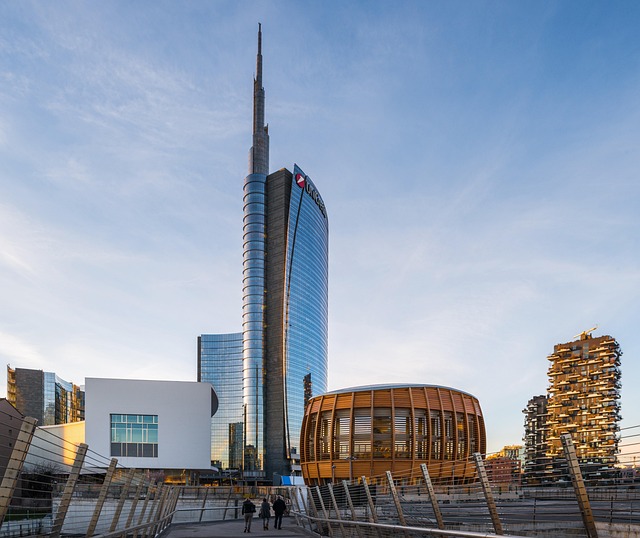
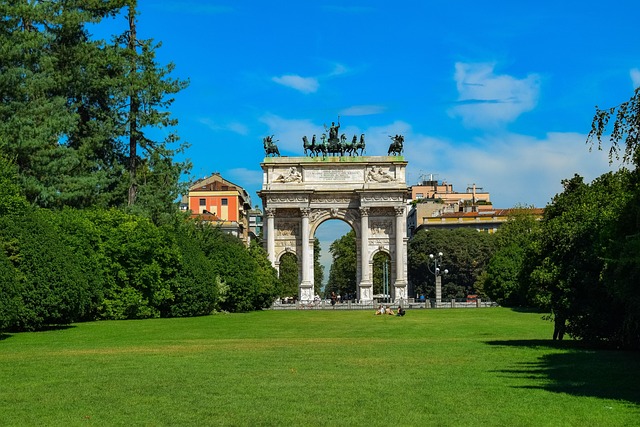
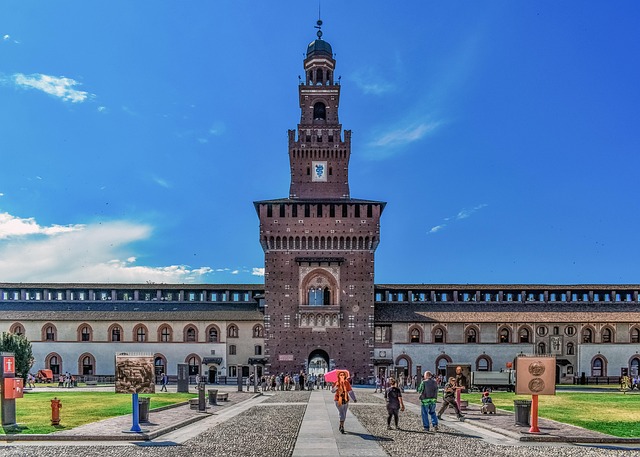
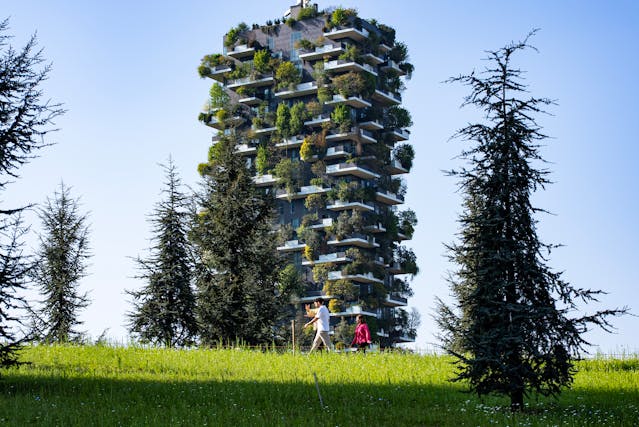
Milan is Italy’s financial and fashion capital, the country’s most economically productive city and its primary international transport hub. It is also, frequently, underestimated as a cultural destination. The Duomo, the Last Supper, and the Brera district alone would justify a visit to most cities. In Milan they compete with design museums, opera, and one of the best aperitivo cultures in Italy.
Duomo di Milano
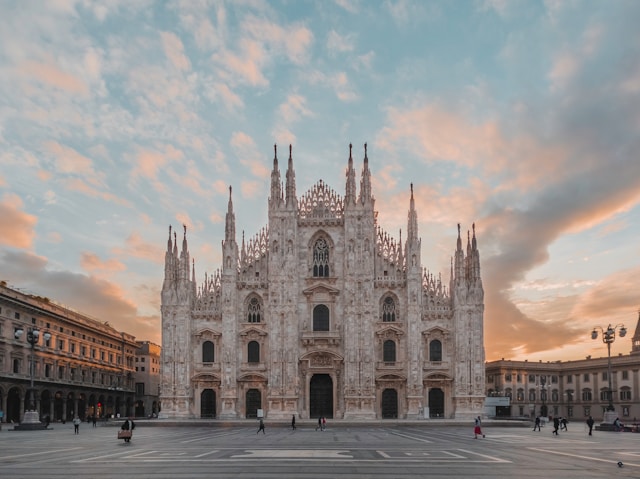
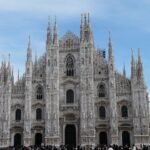
The cathedral took nearly six centuries to complete, from 1386 to 1965. It is the largest Gothic cathedral in Italy and the fifth largest in the world. The rooftop terrace — accessible by stairs or lift — offers one of the best urban panoramas in the country, with the Alps visible on clear days. The interior is vast and relatively quiet compared to the exterior. Free entry to the cathedral; rooftop and museum require tickets.
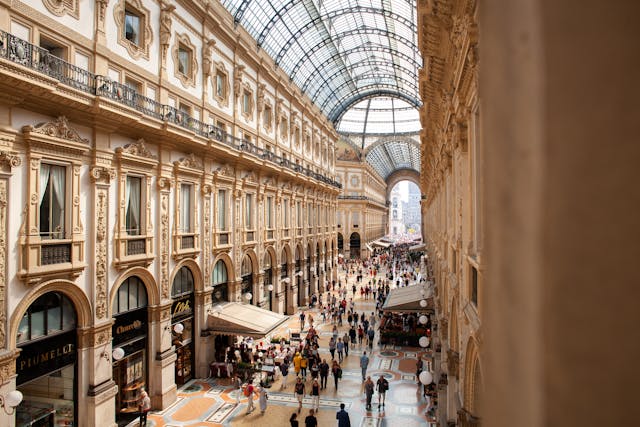
Galleria Vittorio Emanuele II
The 19th-century shopping arcade connecting Piazza del Duomo to Piazza della Scala is worth seeing regardless of whether you intend to shop. The iron and glass roof, the octagonal central space, and the mosaic floor make it one of the finest covered arcades in Europe. The cafes inside are expensive; the architecture is free.
The Last Supper
Leonardo da Vinci’s mural in the refectory of Santa Maria delle Grazie was painted between 1495 and 1498. It is one of the most studied works of art in the world. Visits are strictly timed at 15 minutes per group, with a maximum of 25 people at a time. Tickets sell out weeks or months in advance, particularly in summer. Book at cenacolo.it the moment your dates are confirmed.
Pinacoteca di Brera
Milan’s principal art museum, housed in a 17th-century palace in the Brera neighbourhood. The collection covers Italian painting from the 13th to the 20th century, with particular strength in Renaissance works. Raphael’s Marriage of the Virgin and Caravaggio’s Supper at Emmaus are here. One of Italy’s most underrated major museums.
Food and aperitivo
Risotto alla milanese (with saffron), ossobuco, cotoletta alla milanese (the original breaded veal cutlet, significantly different from the Austrian Wiener Schnitzel it inspired). Aperitivo in Milan is a genuine institution: from around 6pm, most bars serve free or subsidised food with drinks. Navigli and Isola are the best neighbourhoods for this.
Worth knowing: La Scala opera house runs from December to July. Tickets for major productions can be difficult to obtain but standing tickets (loggione) are available at lower prices. The museum is open year-round.
◆ Tuscany · Central Italy
4. Florence — 10 to 15 Million Visitors Per Year
Florence produced or sheltered a disproportionate share of the artists, architects, and thinkers who defined the Renaissance: Brunelleschi, Donatello, Botticelli, Leonardo, Michelangelo, Machiavelli. The Medici family financed much of this, transforming a prosperous commercial city into the cultural capital of 15th-century Europe. The results are still here, concentrated in a walkable historic centre that is a UNESCO World Heritage Site.
Uffizi Gallery
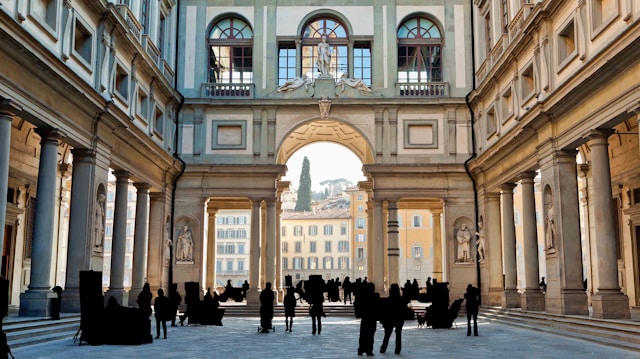
The most visited art museum in Italy, housed in a building commissioned by Cosimo I de’ Medici in 1560. The collection is strongest in Italian Renaissance painting: Botticelli’s Birth of Venus and Primavera, Leonardo’s Annunciation, Michelangelo’s Doni Tondo, Titian, Raphael, Caravaggio. Book online well in advance. Allow two to three focused hours rather than trying to cover everything.
The Duomo complex
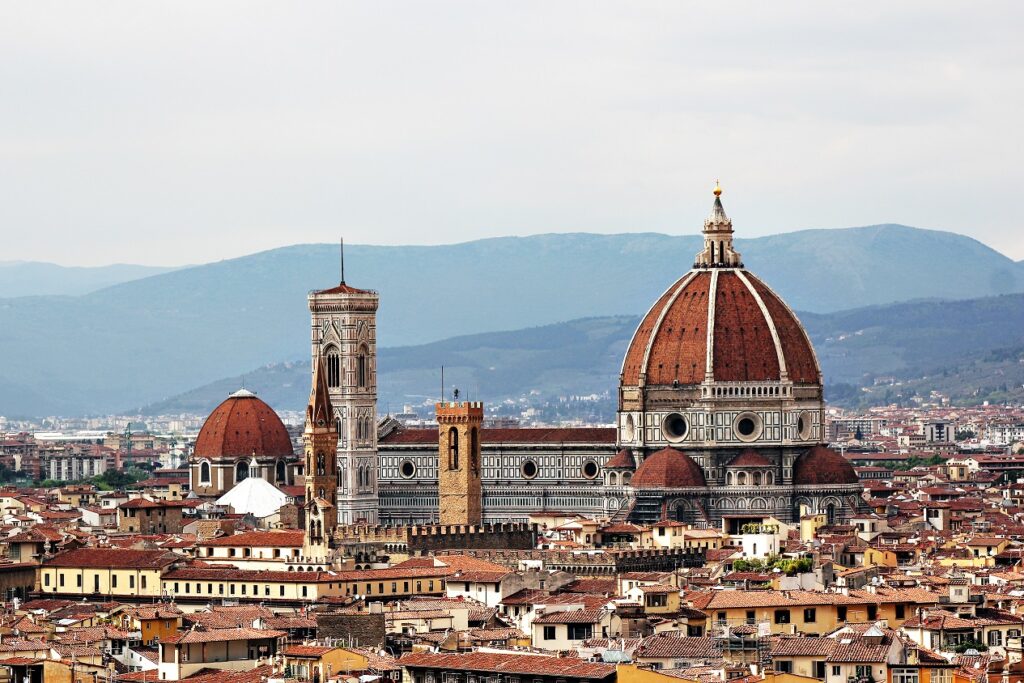
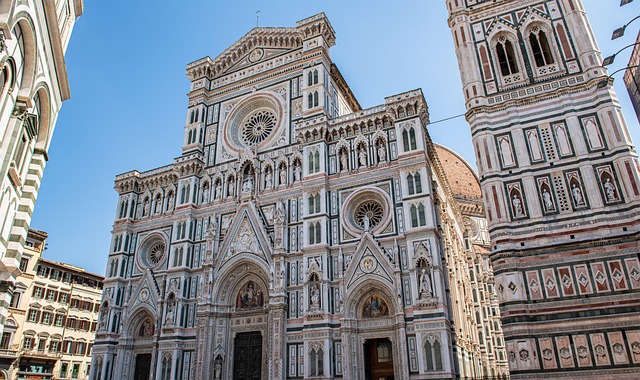
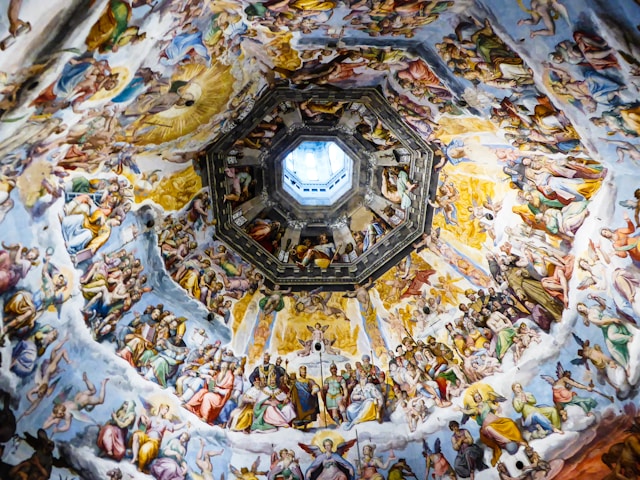
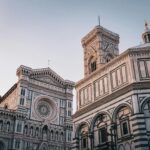
The Cathedral of Santa Maria del Fiore, Brunelleschi’s dome, the Baptistery, and Giotto’s Campanile form the heart of the city. Brunelleschi’s dome (completed 1436) was the largest in the world at the time and remains an engineering achievement not fully replicated since. The climb — 463 steps, no lift — is worthwhile. The Baptistery’s Gates of Paradise (Ghiberti, 1452) are on the east door; the originals are in the Museo dell’Opera del Duomo. Book the dome in advance via the Opera del Duomo combined pass.
Galleria dell’Accademia
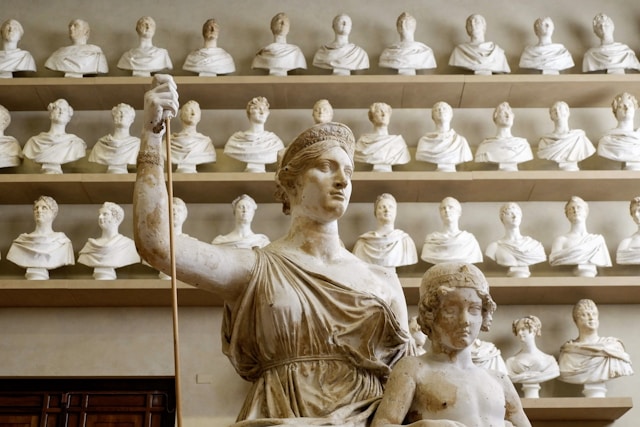
Primarily known for Michelangelo’s David (1504), housed here since 1873. At 5.17 metres tall, carved from a single block of Carrara marble, it is the most technically accomplished large-scale sculpture of the Renaissance. The museum also contains Michelangelo’s unfinished Prisoners series, which is arguably more instructive about his working method. Book in advance.
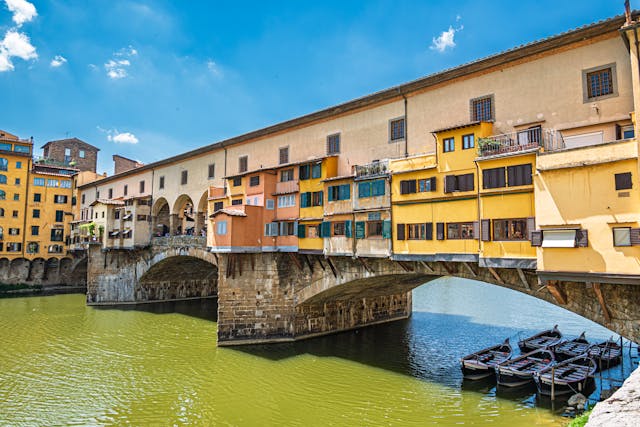
Ponte Vecchio
The only bridge in Florence not destroyed by the retreating German army in 1944. Built in 1345, it has housed goldsmiths and jewellers on its upper level since the 16th century. The Corridoio Vasariano passes overhead, connecting the Uffizi to the Palazzo Pitti — occasionally open for visits. Best seen at dawn before the crowds arrive.
Food in Florence
Bistecca alla Fiorentina: T-bone from Chianina cattle, grilled rare, sold by weight. It is the defining dish of the city and worth ordering at least once. Lampredotto (tripe sandwich from street stalls) is the working-class Florentine lunch. Schiacciata is the local flatbread. For wine, Chianti Classico and Morellino di Scansano are the standard table options.
Tip: The queues at the Uffizi and the Accademia are genuine deterrents without advance booking. In July and August, same-day entry is rarely possible. Book both at least two weeks ahead.
◆ Emilia-Romagna · North Italy
5. Bologna — Around 6.5 Million Visitors Per Year
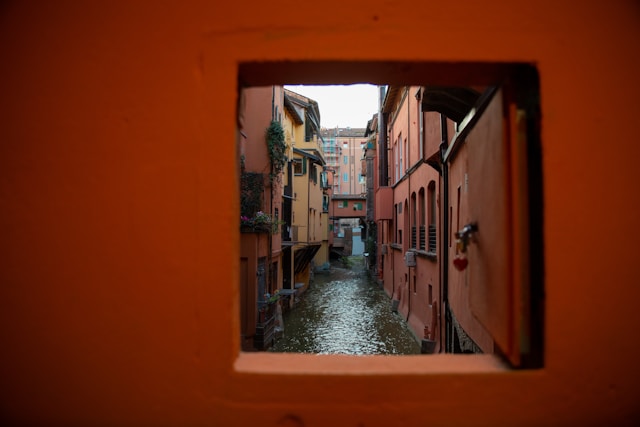
Bologna is the capital of Emilia-Romagna, a region whose food — Parmigiano Reggiano, Prosciutto di Parma, Mortadella, balsamic vinegar, fresh egg pasta — sets the standard for Italian cuisine as a whole. The city itself is covered by 38 kilometres of medieval porticoes, its historic centre is compact and walkable, and it has a university founded in 1088, the oldest in the Western world, which gives it a density and energy that larger tourist cities sometimes lack.
Bologna is still undervisited relative to its quality, which means shorter queues, lower hotel prices, and restaurants that have not been calibrated for tourist expectations.
The porticoes
Bologna’s covered walkways stretch for 38 kilometres through the city. The most celebrated section leads from the city centre up to the Santuario di San Luca, a 3.8-kilometre uphill walk under 666 continuous arches. Recognised as a UNESCO World Heritage Site in 2021. The view from the top is the best panorama of the city.
Piazza Maggiore
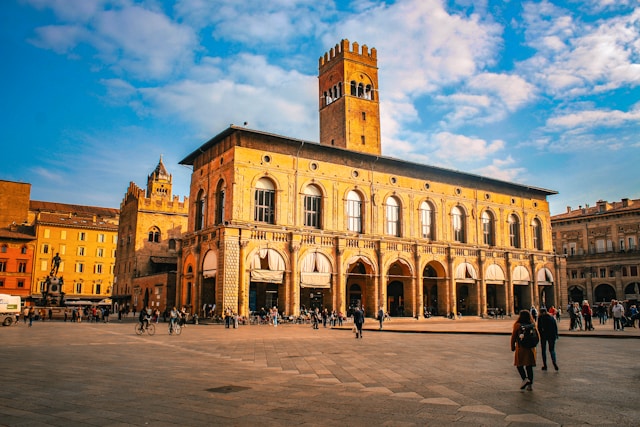
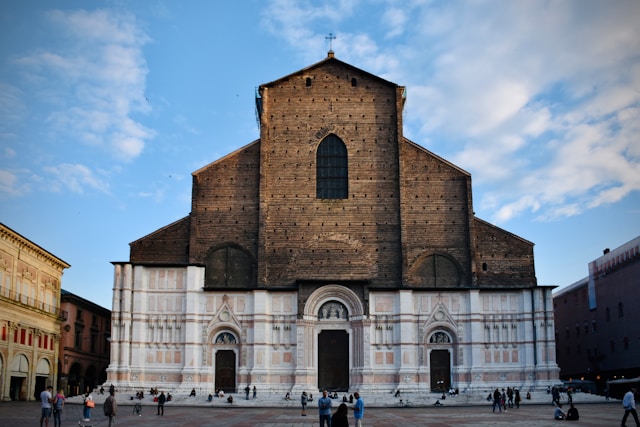
The central square, dominated by the Basilica di San Petronio (begun 1390, never completed) and the Palazzo Comunale. San Petronio is the 15th-largest church in the world. The original plan would have made it larger than St. Peter’s in Rome; the Vatican intervened. The interior contains a meridian line by astronomer Giovanni Domenico Cassini (1655) still used for precise solar calculations.
Le Due Torri
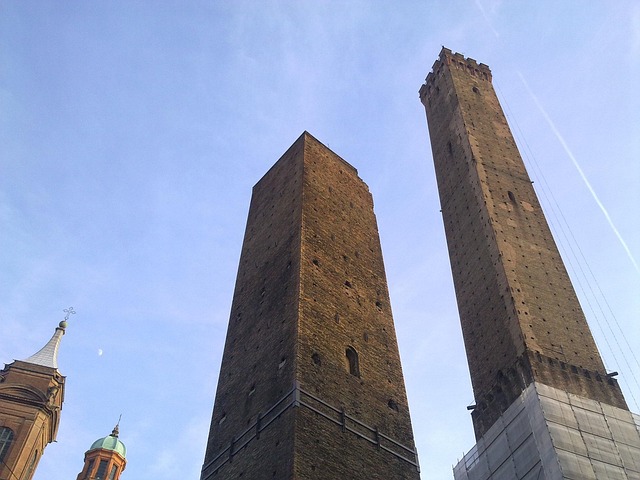
The two towers — Asinelli (97.2m, 498 steps) and Garisenda (48m, leaning more than the Leaning Tower of Pisa) — are the symbol of Bologna. At the height of the Middle Ages, the city had over 100 such towers as symbols of family wealth and power. Climbing Asinelli gives the best elevated view of the city and its terracotta rooftops.
Food in Bologna
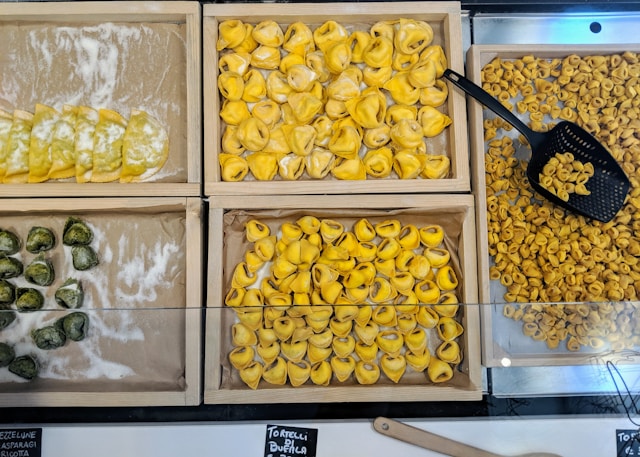
Tagliatelle al ragù is the correct form of what the world calls Bolognese sauce. The official recipe, registered with the Bologna Chamber of Commerce in 1982, specifies tagliatelle 8mm wide when cooked (1/12,270th of the height of the Asinelli tower). Mortadella originated here. Tortellini in brodo (in beef or capon broth) is the traditional Christmas dish but available year-round. The Quadrilatero market district, between Via Rizzoli and Via Farini, is the best place to shop for local products.
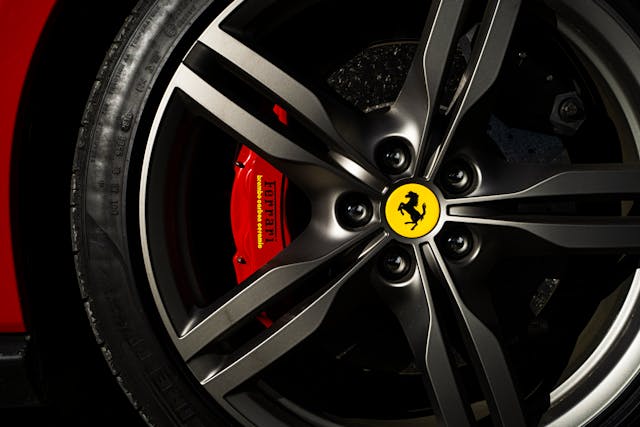
Worth the detour: Day trips from Bologna to Modena (30 minutes by train) access the Ferrari Museum in Maranello, the Ducati Museum, and the Osteria Francescana, Massimo Bottura’s three-Michelin-star restaurant, which has held the number one position on the World’s 50 Best Restaurants list.
◆ Veneto · Northeast Italy
6. Verona — Around 3.5 Million Visitors Per Year
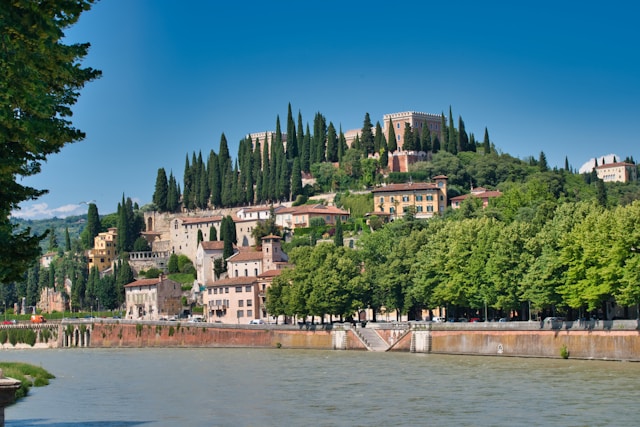
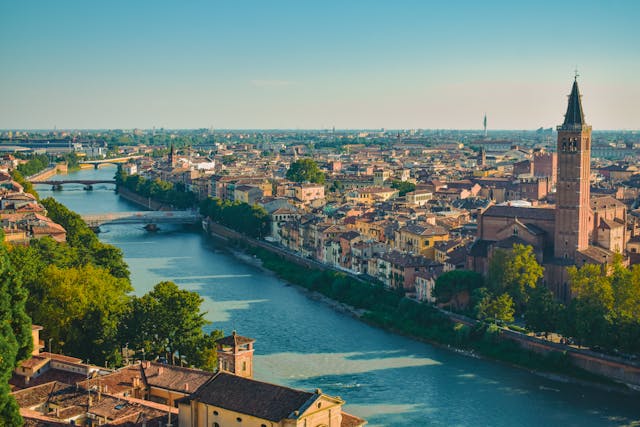
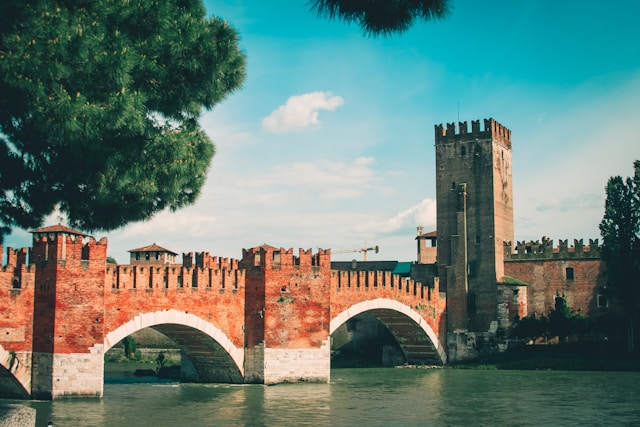
Verona’s reputation rests heavily on Shakespeare’s Romeo and Juliet — a play set in the city but written by someone who never visited it. The city itself predates the fiction by approximately 2,000 years. It has a Roman amphitheatre in better condition than the Colosseum in Rome, a beautifully preserved medieval centre, and a position at the gateway to Lake Garda that makes it a natural base for the region.
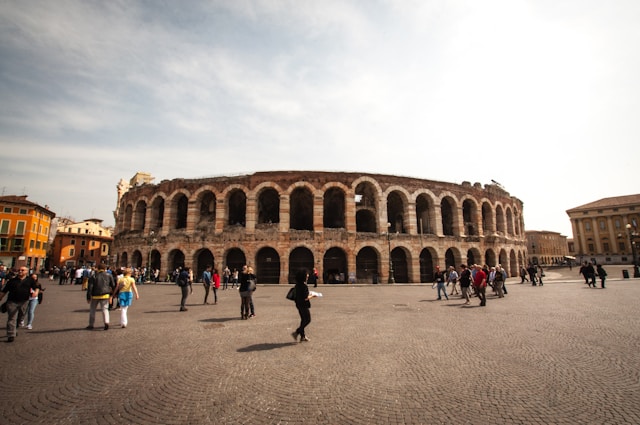
Arena di Verona
Built in 30 AD, the Arena is the third-largest Roman amphitheatre in existence and one of the best preserved. It seats around 15,000 people and has hosted an opera festival every summer since 1913. Aida, the most frequently performed opera here, was first staged in the Arena in 1913 and remains a fixture. The experience of watching opera in a Roman amphitheatre, under the open sky, is genuinely unlike any other. The summer season runs June to September; tickets at arena.it.
Piazza delle Erbe
The former Roman forum, now a daily market square surrounded by frescoed palaces and medieval towers. The Colonna di San Marco (a winged lion, symbol of Venetian rule) stands at one end; the Palazzo Maffei and the Torre del Gardello at the other. The square has been in continuous use as a market for approximately 2,000 years.
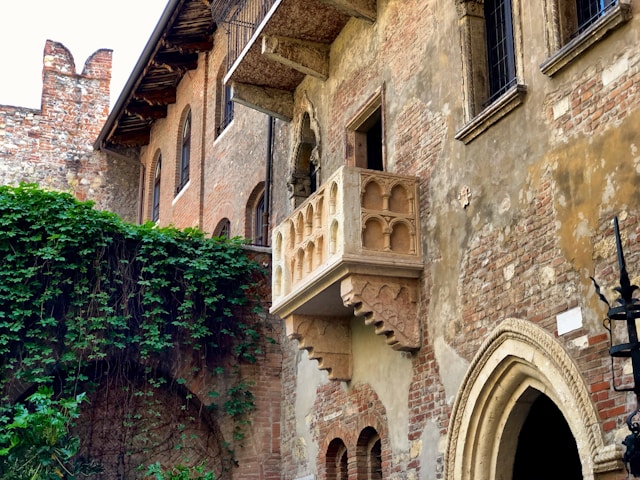
Casa di Giulietta
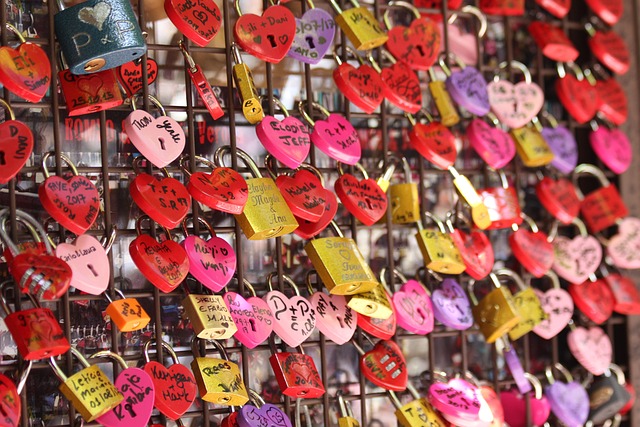
13 Via Cappello. The bronze statue, the balcony, and the wall covered in padlocks and handwritten notes. The historical connection to Shakespeare is invented — the house belonged to a family called Cappello, and the rest is marketing. It receives around 300,000 visitors a year regardless. The courtyard is free to enter.
Piazza Bra
The largest piazza in Verona, adjacent to the Arena. The Gran Guardia palace and the Palazzo Barbieri (now the city hall) frame the space. The Liston, the wide pavement running along the Arena, is the evening passeggiata route.
Food in Verona
Pastissada de caval (horse meat stew, a Veronese speciality dating to the 5th century), risotto all’Amarone (made with the local wine), and pearà (pepper and bone marrow bread sauce served with bollito misto). The surrounding Valpolicella wine zone produces Amarone, Ripasso, and Valpolicella Classico. An evening in a local osteria with a bottle of Valpolicella Superiore and a plate of local salumi is the correct way to end a day in Verona.
Lake Garda: Verona is 20 minutes by car or bus from the southern shore of Lake Garda. Sirmione, Bardolino, and Lazise are all accessible as day trips.
Planning your route
These six cities are connected by fast rail. Rome to Florence is 1h30 by Frecciarossa. Florence to Bologna is 37 minutes. Bologna to Milan is 1 hour. Milan to Verona is 1h10. Verona to Venice is 1h20. A two-week itinerary covering all six is entirely feasible and requires no flights between cities.
The cities are listed here in order of visitor numbers, not recommended sequence. Most itineraries run either Rome north to Milan or Milan south to Rome. Both work. The key constraint is the summer queues: book the Vatican, the Last Supper, the Uffizi, and the Accademia as far in advance as possible. Plan your Italy trip with us!
You may also like
-

The Best Apps for Saving Money in Italy
- Tuscany
- ▪ Abruzzo
- ▪ Aosta Valley
- ▪ Apulia
- ▪ Basilicata
- ▪ Calabria
- ▪ Campania
- ▪ Emilia-Romagna
- ▪ Friuli Venezia Giulia
- ▪ Lazio
- ▪ Liguria
- ▪ Lombardy
- ▪ Marche
- ▪ Molise
- ▪ Piedmont
- ▪ Sardinia
- ▪ Sicily
- ▪ Trentino South Tyrol
- ▪ Umbria
- ▪ Veneto
-
-

-


You need to be part of our community to leave a comment or reply members.
Log in or purchase one of our incredible itineraries!