- ▪ Tuscany
Discover Florence: The city built on water

Content index
Explore the secrets and curiosities of one of Tuscany’s jewels
Florence, the jewel of Tuscany, is more than a tourist destination; it’s a veritable open-air museum that breathes art, culture and history. Recognized as the cradle of the Renaissance, its cobbled streets are silent witnesses to the footsteps of great masters such as Leonardo da Vinci, Michelangelo and Botticelli. In this article, we’ll explore the fascinating secrets and curiosities that make Florence a unique city, as well as offering valuable tips for your visit.
Although it doesn’t seem to have been built on water like Venice, the majestic River Arno that meanders through this city has played a fundamental role in its development, culture and the fascinating architectural feats that define its skyline. But how has this Tuscan jewel managed to embrace its watery foundation while reaching the heights of cultural and artistic splendor? Read on below!
The Arno: More Than a River

The Arno River is the backbone of Florence, meandering through the heart of the city and providing more than just picturesque views. Historically, the river was a lifeline, facilitating the trade that drove the city’s growth and prosperity. Even more fascinating are the ingenious ways the Florentines found to control the floods, a constant threat to the city’s survival. The relationship between Florence and the Arno is a testament to human resilience and creativity in the face of natural challenges.
Historical curiosities about the Arno
- The Flood Control System: During the Middle Ages, Florentines developed ingenious techniques to control the flooding of the Arno. One of the most notable measures was the construction of dikes and canals, which helped direct the waters and minimize damage to property and the population. These innovations in hydraulic engineering were fundamental to the city’s survival.
- Trade and the economy: The Arno was an important transportation route for goods. During the Renaissance, the river facilitated trade in products such as wool, which was one of Florence’s main industries. The boats that sailed the Arno transported not only goods, but also ideas and culture, contributing to the city’s artistic flourishing.
- The Merchants’ Bridge: The Ponte Vecchio, which crosses the Arno, was initially occupied by butchers and merchants. When goldsmiths were allowed to occupy the bridge, this not only transformed its appearance, but also solidified Arno’s role as a center for trade and crafts. The Ponte Vecchio (Old Bridge) is a medieval arched bridge over the River Arno. It is very famous for having a number of stores, mainly goldsmiths and jewelers, along the entire deck.
- The Flood of 1966: This catastrophic event not only caused destruction, but also raised awareness of Florence’s vulnerability to flooding. After the flood, a global movement formed to preserve the works of art and historical documents that were under threat, resulting in significant restoration and conservation efforts.
- Cultural Symbolism: The River Arno is not just a natural resource; it also has deep cultural significance. Poets and artists over the centuries have drawn inspiration from its waters, using the river as a metaphor for the passage of time and the ephemeral beauty of life. The Arno is often depicted in works of art, highlighting its importance in Florentine identity.
Recommended Activity: While walking along the Arno, consider taking a break in one of the many riverside cafés. Savor a gelato while enjoying the view of the city and reflecting on the rich history that flows with the waters.
These curiosities help illustrate not only the importance of the Arno for the city of Florence, but also how it has shaped culture and economy over the centuries.
The origin of the Ponte Vecchio: A treasure on the River Arno

The Ponte Vecchio is one of Florence’s oldest and most famous symbols, a true architectural marvel that seems to float effortlessly over the River Arno. What few people know is that it was originally occupied by butchers and merchants, who displayed their wares hanging from the bridge’s arches.
However, in 1593, Grand Duke Ferdinando I deMedici ordered that the butchers be replaced by goldsmiths, giving rise to the charming jewelry stores that adorn the bridge today.
Historical curiosities about the Ponte Vecchio
- The oldest bridge in Florence: The Ponte Vecchio is the oldest bridge in Florence and one of the oldest in the world. Its original structure was built by the Romans, but the current bridge dates back to the 14th century. Its resistance to the test of time is a testament to the skill of the medieval builders.
- Meat Market: As mentioned, the bridge was originally occupied by butchers, who hung meat from the arches. This practice not only characterized the commerce of the time, but also contributed to a peculiar olfactory condition that Florentines and visitors experienced when crossing the bridge.
- Vasari’s Corridors: The Ponte Vecchio also houses part of Vasari’s Corridor, which was built in 1565 to allow the Medici family to move between Palazzo Vecchio and Palazzo Pitti without being seen. This elevated passageway is a remarkable example of Renaissance architecture and concern for the safety of the elite.
- The Burning of Goods: During the Second World War, the Nazis refused to destroy the Ponte Vecchio as they withdrew from Florence. Instead, they destroyed the adjacent bridges, preserving the Ponte Vecchio because of its historical and cultural value. This decision helped save one of the city’s most important architectural treasures.
- A Place of Romance: The Ponte Vecchio is often seen as a symbol of love and romance. Couples often visit the bridge to put padlocks on its railings, a gesture that symbolizes eternal commitment. Although the practice has been frowned upon by the authorities for conservation reasons, the romantic spirit of the bridge lives on.
Gastronomic Experience: While you’re on the Ponte Vecchio, don’t miss the opportunity to visit one of the jewelry stores or stop at one of the nearby cafés for a caffè or gelato. Enjoying a drink while looking out over the River Arno is an unmissable experience.
These curiosities help illustrate the rich history and cultural significance of the Ponte Vecchio, making it an essential point when visiting Florence.
The secrets of Vasari’s corridors: A real passage
One of Florence’s lesser-known curiosities is the Vasari Corridors, a secret passageway that connects Palazzo Vecchio to Palazzo Pitti, passing over the Ponte Vecchio. Built to allow the royal family to move around the city without being seen by the people, it is a fundamental artery for its history.
Exploring these hidden passages offers a unique glimpse into the ingenuity of past generations and the mysteries that lie beneath the surface of this iconic city.

Historical Curiosities about Vasari’s Corridors
- Built under the Order of Cosimo I: Vasari’s Corridors were commissioned by Grand Duke Cosimo I de’ Medici in 1565. The construction was carried out by Giorgio Vasari, a renowned architect and artist, who sought not only security, but also the possibility for the Medici family to move between Palazzo Vecchio and Palazzo Pitti without being seen by the people.
- Passage over the River Arno: One of the most impressive features of Vasari’s Corridors is that they cross the Ponte Vecchio, allowing the Medici family to move quickly between the two palaces. This elevated passage is one of the few in the world that allows such architectural integration between a bridge and a corridor.
- Art and History on the Walls: The corridors are adorned with an impressive collection of portraits of artists and historical figures, creating a gallery that narrates Florence’s rich cultural history. These portraits offer a glimpse into the prestige and influence of the Medici family in the Renaissance.
- Secret Use During Conflicts: During periods of political unrest and conflict, Vasari’s Corridors served as an escape route for the Medici family. Their construction not only guaranteed the family’s safety, but also symbolized their power and control over the city.
- Opening to the public: Although Vasari’s Corridors were used mainly by the elite, today they are open to the public on guided tours. This change reflects a desire to share the city’s rich history and allow visitors to experience the grandeur of Renaissance architecture.
Interactive Experience: As you explore the Vasari Corridors, pay attention to the architectural details and the works of art on the walls. Consider taking an audio guide or joining a guided tour to gain a deeper understanding of the history and hidden meanings behind this extraordinary passage.
These curiosities offer a richer and more detailed view of Vasari’s Corridors, highlighting their historical and cultural importance in Florence.
Florence underground: the mysteries of the subsoil
As well as its beauty above ground, the city also holds fascinating secrets underground. Beneath the city’s bustling streets lies a labyrinth of underground passages and chambers dating back to Roman and medieval times.
This mysterious world offers a unique insight into the city’s history, with tunnels that were used for commercial and religious purposes and even as hiding places during periods of conflict.
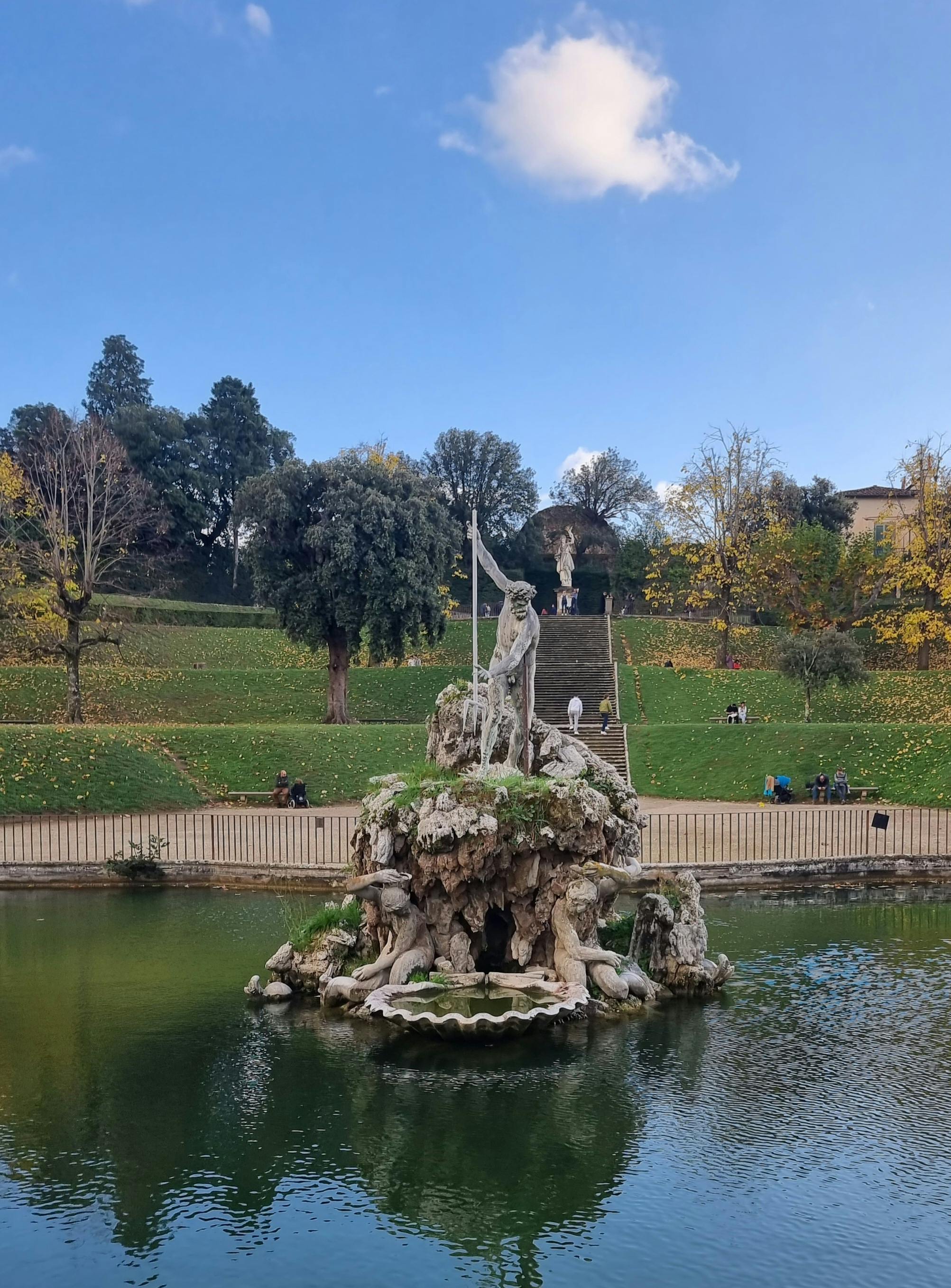
Historical curiosities about Florence Underground
- Roman origin: Florence’s underground system dates back to Roman times, when the city, then called Florentia, was planned and built. The Romans created a network of tunnels for drainage and water supply, which, over the centuries, evolved into a labyrinth of passages that served multiple purposes.
- Diverse Uses: These tunnels not only facilitated trade, but were also used for religious rituals and as hiding places during periods of conflict, such as wars between rival factions. The strategic use of these spaces demonstrates the ingenuity of the Florentines in times of crisis.
- The War Refuges: During the Middle Ages and the Renaissance, the citizens of Florence often sought shelter in underground passages during invasions and conflicts. These chambers functioned as temporary refuges, protecting the population and their wealth.
- Archaeological discoveries: The exploration of Florence’s catacombs and underground passages has been a rich source of archaeological discoveries. Ancient artefacts, architectural structures and even traces of ancient civilizations have been found, providing a fascinating insight into life in Florence over the centuries.
- School of Arts and Crafts: In certain underground areas, craftsmen’s workshops were located, especially in the Middle Ages. These spaces allowed Florentines to develop their skills in a safe environment, away from the hustle and bustle of the streets above.
Immersive experience: When you take part in a tour of underground Florence, be prepared to be surprised by the atmosphere and history that surround these spaces. Bring a flashlight or use your camera’s flash to capture details of the ancient structures and take the opportunity to ask the guides questions about the stories that shape the city.
Florence is not only a city brimming with art and culture above ground; its underground also hides a wealth of history and mysteries. From the magical Grotta del Buontalenti to the underground secrets of the Duomo, each of these sites offers a unique opportunity for visitors to explore the layers of Florentine history.
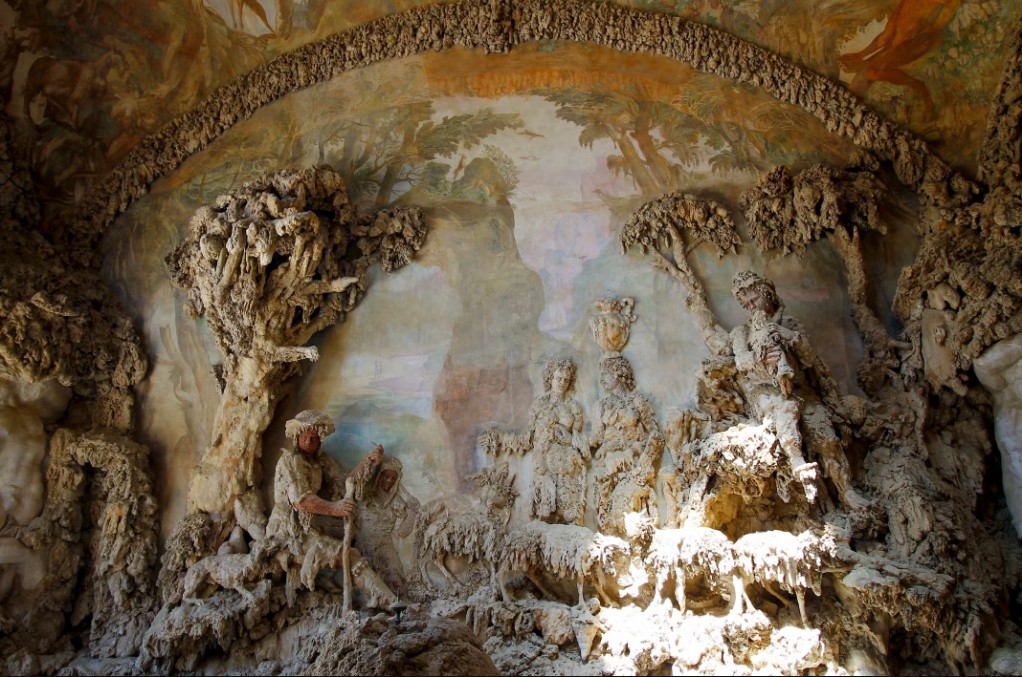
1. Grotta del Buontalenti
The Grotta del Buontalenti is an impressive artificial cave located in the Boboli Gardens, near Palazzo Pitti. Designed by the architect and artist Bernardo Buontalenti in the 16th century, the cave was conceived as a space for entertainment and contemplation for the Medici family.
Features: The cave is famous for its false stalactites and stalagmites, which create a mysterious and magical atmosphere. In addition, the Grotta houses several statues and fountains, including figures of sheep, shepherds and Roman goddesses, which reflect the Renaissance style and appreciation for classical mythology.
Original Function: The Grotta served as a venue for parties and celebrations, offering a cool refuge during the hot summer months. Its elaborate decoration and use of natural elements made it an outstanding example of the landscape architecture of the time.
Tip: When visiting the Boboli Gardens, don’t miss the opportunity to explore the Grotta del Buontalenti. Take the time to appreciate the art and architecture, as well as enjoying the breathtaking views of the gardens.
2. Firenze Santa Maria Novella Train Station
The Santa Maria Novella Train Station is one of the main gateways to Florence, and its underground gallery is a vibrant space that combines functionality and commerce.
Features: The station, inaugurated in 1935, has an underground gallery where visitors can find a variety of stores, restaurants and snack bars. This area is ideal for those who want to take a break before or after a trip, offering everything from local products to quick meals.
Historical Importance: As well as being a central transportation hub, the station is an example of modern architecture, contrasting with Florence’s rich historical heritage. The station is also home to a series of murals and works of art that reflect the city’s culture and history.
Tip: When you’re at the station, don’t forget to explore the stores offering typical Tuscan products, such as wines and olive oils, which can be excellent souvenirs of your trip.
3. Underground of the Duomo
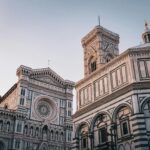
The basement of the Cathedral of Santa Maria del Fiore, known as the Duomo, is a fascinating place that reveals secrets of Florence’s history.
Archaeological discoveries: During excavations carried out in the 1960s, traces of earlier structures were found, including an ancient Christian church and the remains of a Roman temple. These discoveries provide a unique insight into the religious and architectural evolution of the city.
Fascinating Elements: In addition to the archaeological remains, the basement houses a series of tombs and graves, including those of important figures in Florence’s history. The space is often used for exhibitions highlighting the city’s rich cultural heritage.
Tip: When visiting the Duomo, consider taking a guided tour of the underground, where you can learn more about the archaeological discoveries and the history of the cathedral. The experience offers an in-depth perspective on the importance of the Duomo in Florence’s history.
Florence’s secret gardens: Oases of Tranquillity
Despite being a bustling city, Florence is also home to a number of secret gardens that offer refuge and tranquility to its inhabitants and visitors. Gardens such as the Giardino Bardini and the Giardino delle Rose offer breathtaking views of the city and allow visitors to escape the hustle and bustle of the streets to enjoy moments of peace and contemplation amidst lush nature.
Historical Curiosities about Florence’s Secret Gardens

- Giardino Bardini: A Refuge of the Aristocracy: The Giardino Bardini, with its breathtaking views of the city, was originally created in the 17th century as a private garden for the Bardini family. The garden features a combination of landscape styles, including Baroque and Renaissance elements, reflecting the influence of the Florentine aristocracy in its conception.
- History of the Giardino delle Rose: This garden is known for its stunning roses and panoramic views of the city. Founded in 1775, the Giardino delle Rose was designed in a classical style and is a place where artists and poets used to draw inspiration. The garden is also home to a sculpture of “David” by Donatello, which adds a historical touch to the space.
- The Role of Gardens in Florentine Culture: During the Renaissance, gardens were not only leisure spaces, but also symbols of status and power. Noble families cultivated elaborate gardens that served as places of gathering and celebration, reflecting the importance of nature in the social and cultural life of the time.
- Historical connections: Many of Florence’s gardens are interconnected by secret passages and corridors, which allowed the elite to move between estates without being seen. This network of gardens and passageways underlines the rich tapestry of the city’s history.
- Flora and Fauna: In addition to their aesthetic beauty, Florence’s secret gardens are home to a variety of plant and flower species that are representative of the region’s biodiversity. This makes the gardens not only a refuge for the inhabitants, but also a habitat for birds and insects.
Relaxing activities: When visiting the gardens, consider taking a book or notebook to jot down your reflections. The tranquility of the Giardino Bardini and Giardino delle Rose provides an ideal setting for meditation or writing, away from the hustle and bustle of the city.
These curiosities offer a richer and more enchanting insight into Florence’s secret gardens, highlighting their historical and cultural importance while inviting visitors to enjoy the beauty and serenity that these oases offer.
In Florence, every stone, every wave in the Arno, tells a story of passion, art and resilience. It is a city that has embraced its liquid foundation, building on it a legacy that continues to enchant and inspire.
Extra trivia: The Flood of 1966: The Resilience of a City
The great flood of 1966 is a vivid reminder of Florence’s vulnerability to the forces of nature. With the River Arno overflowing its banks, the city found itself struggling to survive while centuries-old works of art, books and monuments faced destruction. The post-flood period saw a global mobilization of support, with volunteers dubbed the “Mud Angels” arriving to save what they could. This event highlighted not only Florence’s fragility, but also its unwavering spirit and the universal value of its cultural treasures.
Historical Curiosities about the 1966 Flood
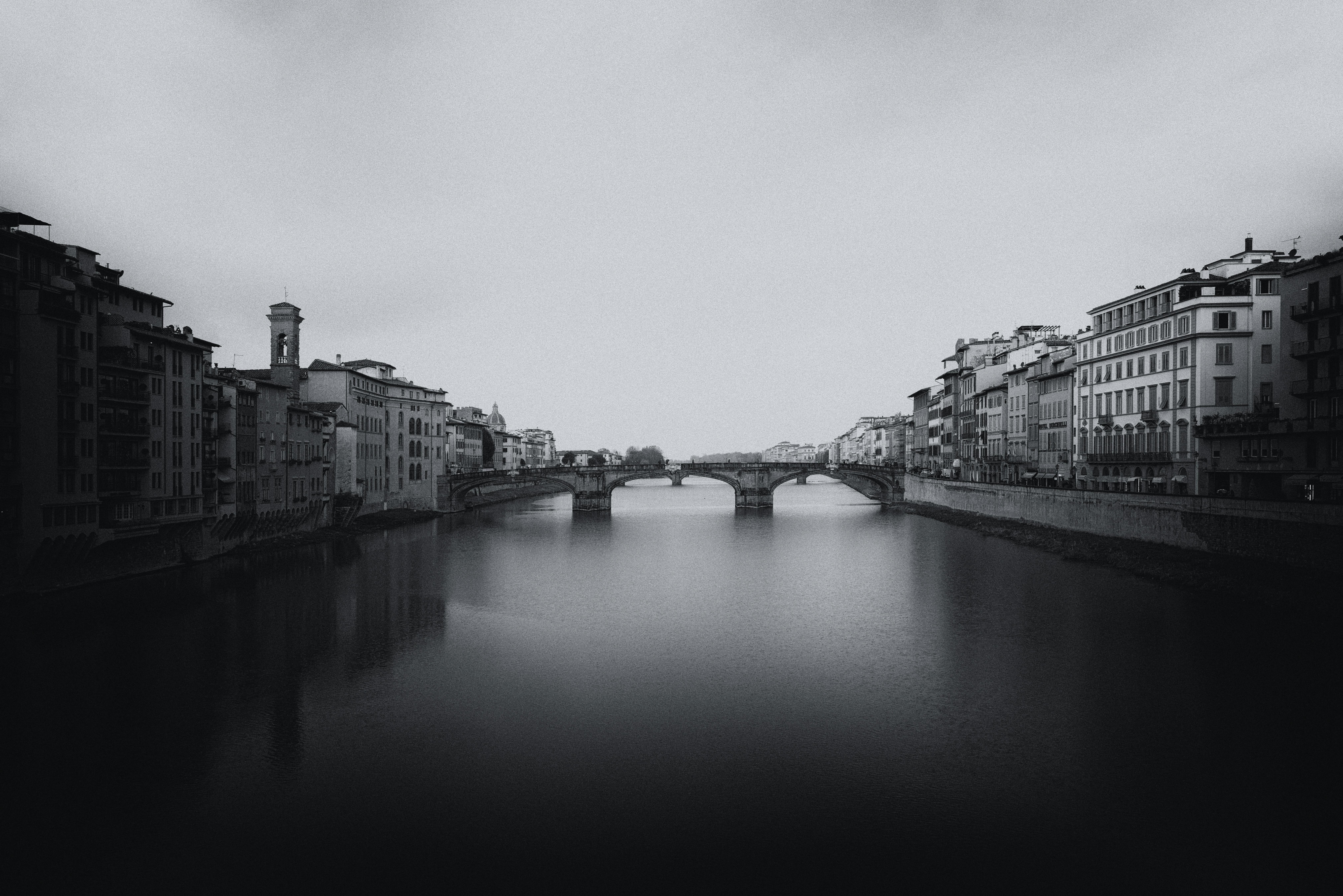
- Causes of the Flood: The 1966 flood was triggered by a combination of torrential rains that fell across northern Italy, rapidly raising the level of the River Arno. The overflow resulted in a catastrophic flood that affected not only Florence, but also other cities along the river.
- Cultural Impact: The flood caused significant damage to works of art, libraries and historical archives. It is estimated that more than 1,000 works of art were damaged, including pieces of great cultural value such as rare manuscripts and paintings. The National Library of Florence was particularly affected, with thousands of books and documents lost or damaged.
- The “Mud Angels”: The mobilization of volunteers, known as “Mud Angels”, was a remarkable aspect of the response to the crisis. People from all over the world traveled to Florence to help with the clean-up and restoration, demonstrating a spirit of solidarity and community. This mobilization is often remembered as an example of collective resilience.
- Restoration and Preservation: The event led to an increase in awareness of the need to protect and preserve cultural heritage. Following the flood, measures were implemented to protect works of art and historic structures from future flooding, including the creation of drainage and flood control systems.
- Lasting legacy: The 1966 flood not only shaped the city’s response to natural disasters, but also had a lasting impact on the way Florentines perceive their cultural heritage. The event is often mentioned in discussions about conservation and the importance of protecting the city’s heritage.
Reflection at the Flood Museum: When you visit the Flood Museum, take time to reflect on the stories of resilience and solidarity that emerged from this tragic event. The museum not only documents the flood, but also celebrates the strength of the Florentine community in facing challenges and preserving its rich cultural heritage.
These curiosities offer a deeper insight into the 1966 flood, highlighting not only the devastating impact, but also the resilience and strength of the Florentine community in times of crisis.
The city teaches us that beauty and adversity can coexist, shaping the soul of a city and the character of its people. As we move away from its waters and navigate its streets, we will take with us the curiosity to explore and appreciate the layers of history, culture and ingenuity that define this remarkable city.
ITALIA et al visited the Galleria dell’Accademia: a museum in Florence where the most famous sculpture in the world is located: Michelangelo’s David. Check out the video below:
At the end of our journey, we invite you to discover Florence for yourself. Whether you’re marveling at the Ponte Vecchio, exploring the hidden canals or strolling through the gardens, Florence awaits you with open arms and flowing water.
Let the curiosities of this city built on water awaken your own sense of adventure and discovery. And check out our itineraries on ITALIA et al to get your perfect itinerary! Buon viaggio!
You may also like
-

The Best Apps for Saving Money in Italy
- Tuscany
- ▪ Abruzzo
- ▪ Aosta Valley
- ▪ Apulia
- ▪ Basilicata
- ▪ Calabria
- ▪ Campania
- ▪ Emilia-Romagna
- ▪ Friuli Venezia Giulia
- ▪ Lazio
- ▪ Liguria
- ▪ Lombardy
- ▪ Marche
- ▪ Molise
- ▪ Piedmont
- ▪ Sardinia
- ▪ Sicily
- ▪ Trentino South Tyrol
- ▪ Umbria
- ▪ Veneto
-

-

-






You need to be part of our community to leave a comment or reply members.
Log in or purchase one of our incredible itineraries!